
We will be closed on 25th and 26th of November in observance of Thanksgiving
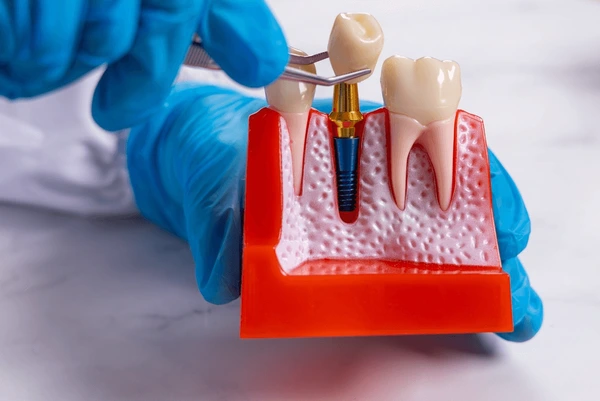
How Do Dental Crowns Protect Damaged Teeth at a Dentist in Neosho, MO?
Introduction
One of the most common reactions patients have when a dentist recommends a crown is surprisingly simple:
“But it doesn’t hurt.”
It’s a fair response.
Most people associate dental treatment with symptoms. If a tooth hurts, something is wrong. If it feels fine, everything must be okay.
Unfortunately, teeth don’t always work that way.
Some of the most significant dental problems develop quietly. A tooth may have a large filling that’s weakening over time. A crack may be growing slowly beneath the surface. Years of chewing pressure can gradually reduce a tooth’s strength without causing obvious discomfort.
By the time pain appears, the situation is often more complicated than it was months earlier.
This is one reason dentists sometimes recommend crowns before a patient experiences major symptoms.
The goal isn’t simply to respond to a problem.
It’s to prevent a manageable issue from becoming a much larger one.
In this blog, we’ll explore why crowns are often recommended before pain develops, how they work, and how they help protect damaged teeth over the long term.
Why a Tooth May Need a Crown Even If It Doesn’t Hurt
Imagine a crack in a windshield.
The car drives normally at first; it does not obstruct visibility. Everything looks fine, but it is common knowledge that the crack could spread further over time.
The teeth might be the same. A tooth can function perfectly but be structurally weakened beneath the surface.
One example is large fillings.
Fillings are good restorations, but they don’t strengthen a tooth. Sometimes, a tooth that has lost much of its natural structure becomes more prone to fractures, even when it feels completely comfortable.
When your expert in tooth restoration, Neosho, MO, recommends a crown, it is often a sign that they see an opportunity to protect the tooth before a larger problem develops.
Sometimes, patients think crowns are for pain management. In fact, crowns are often recommended to prevent pain from occurring in the first place.
How Does a Dental Crown Work?
1. Diagnosis and examination
The process of getting dental crowns in Neosho, MO, starts with a complete assessment. The dentist examines the tooth and any existing restorations and may take digital images or X-rays to assess the condition of the underlying structure.
2. Tooth preparation
If a crown is recommended, the tooth is carefully prepared. A portion of the outer surface is re-contoured to allow space for the restoration, while preserving as much healthy tooth structure as possible.
3. Digital impressions and scans
Detailed records are collected of the prepared tooth. These may be digital scans or traditional impressions, depending on the technology used in the practice. The data is used to create a custom restoration that fits well and functions naturally.
4. Making of the crown
The crown is made from the patient’s bite, tooth shape, and desired look. Depending on the situation, materials may include porcelain, ceramic, zirconia, metal, or combinations of materials.
5. Final placement of the crown
When finished, the crown is carefully fitted and bonded to the tooth. Before the treatment is complete, the dentist ensures the fit is comfortable, the appearance is right, and the bite is aligned.
At A Glance
| Who Qualifies? | Dental crowns are a great treatment option for patients with chipped or cracked teeth. |
| Process Overview | Step 1
The crown treatment starts with an initial consultation from your dentist. Step 2 After they’ve designed a unique crown as per your requirement, it’s time to place it. Step 3 After placing your crowns, the dentist will suggest aftercare and recovery suggestions. |
| Timeline | Getting dental crowns takes two or more visits to your dentist. |
| Aftercare | Follow your dentist’s dietary restrictions for quicker recovery. |
| Location & Contact | Family Dentistry of Neosho
1112 Baxter St, Neosho, MO 64850, United States |
Benefits of Dental Crowns
a. Protects Vulnerable Teeth
A tooth doesn’t have to be broken to be at risk. But many crowns are placed on teeth that are still functional, but have become structurally weaker over the years. The crown is the visible part of the tooth that provides additional protection against chewing forces, helping relieve stress on more vulnerable areas.
b. May Help Prevent Future Breaks
Once a tooth has a large crack or has lost significant structure, there is a higher risk of future damage. Crowns can help strengthen weakened teeth and may reduce the risk of further, more complicated fractures that could require more extensive treatment down the road.
c. Restores Strength & Stability
Many patients are cautious when grinding on a broken tooth. A crown can help restore confidence by strengthening the tooth and providing a more stable chewing surface. This can often make it easier for patients to resume normal eating.
d. Protects Natural Teeth
Dentists usually prefer to save natural teeth when they can. Crowns help work towards this goal by protecting teeth that still have healthy roots and supporting structures. Rather than extracting the tooth, treatment allows it to function for years to come.
e. Enhances Looks
Crowns are more than just functional restorations. Modern materials mean they can look very much like natural teeth in shape, size, and color. This means patients often experience cosmetic improvements in addition to the protective benefits.
f. Long-Term Oral Health Support
A broken tooth can affect more than one part of the mouth. When a tooth is compromised, the way you chew, your bite function, and even your overall comfort can change. Porcelain crowns in Neosho, MO, help restore and protect the tooth, creating a healthier, more stable oral environment.
Dental Crown Treatment in Neosho
A common question from patients in Neosho is why they are being recommended a crown when the tooth feels normal.
Often, the answer is prevention.
A tooth can be comfortable and still become increasingly vulnerable to future damage. Dentists don’t just look at symptoms when they recommend treatment. The remaining tooth structure, existing restorations, bite forces, and the potential for future complications are taken into account.
For patients visiting Neosho Smiles for crowns, we recommend crowns to protect healthy tooth structure whenever possible. The goal is not just to solve today’s problems but to help patients avoid bigger problems in the future.
Crowns are an important part of long-term oral health, strengthening weakened teeth before damage becomes a big problem.
FAQs
- When is a dental crown needed?
A crown is often recommended for extensive decay, large fillings, fractures, significant wear, or root canal treatment. The goal is usually to protect and reinforce the tooth before it is damaged any further.
- How long do crowns last in Neosho, MO?
With proper oral hygiene and regular dental visits, many crowns last 10 to 15 years or longer. Longevity hinges on maintenance habits, bite forces, oral health, and the condition of the supporting tooth.
- Does getting a crown hurt?
Local anesthesia is generally used during treatment to keep patients comfortable. Most people have little or no discomfort during the procedure itself and only mild sensitivity as they adjust to the restoration.
- How much does a crown cost in Neosho, MO?
The price depends on the material you choose, the condition of your tooth, and the complexity of treatment. A consultation allows the dentist to assess your needs and provide you with a personalized treatment estimate.
- Can a crown be replaced?
Yes. Crowns are designed to last for many years, but they can wear down, be damaged, or need to be replaced if the supporting tooth changes. Regular trips to the dentist help monitor their condition over time.
Conclusion
Most people consider dental crowns to be a fix for damaged or achy teeth, but many of the best candidates for crowns are teeth that are not yet hurting.
Crowns are often used by dentists in Neosho, MO, as a preventive measure to strengthen weak teeth and reduce the risk of more serious problems later on.
Crowns are used to protect and cover weakened tooth structure. They restore strength, improve function, and support long-term oral health. They allow the patient to keep their natural teeth and reduce the risk of future fractures or problems.
If you’ve been told you may need a crown, knowing why the recommendation was made can help make the decision easier. Book a call with The Dental Co. of Leesburg experts today! Often, the goal is not to respond to pain, but to help prevent pain from developing in the first place.