
We will be closed on 25th and 26th of November in observance of Thanksgiving
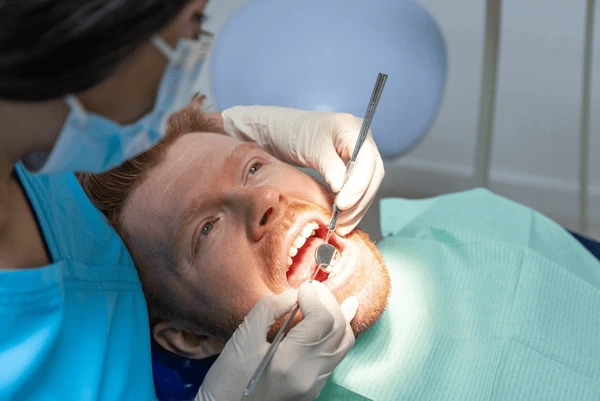
Why Is Preventive Dentistry Important for Families in Leesburg, VA?
Introduction
Most people would rather prevent a dental problem than treat one. The idea seems obvious, yet many families still think about dental care only when something feels wrong.
A tooth starts to hurt, a filling falls out, or a child complains of sensitivity. At that point, the focus naturally shifts toward solving the immediate issue. Preventive dentistry takes a different approach.
Instead of waiting for symptoms to appear, it focuses on identifying risks early and reducing the likelihood that problems will develop in the first place. That philosophy is particularly valuable for families because oral health is not static. What a six-year-old needs from dental care is very different from what a parent or grandparent may require.
Routine visits create opportunities to monitor those changing needs over time. A child may be learning proper brushing habits. A teenager may be developing orthodontic concerns. An adult may be managing previous dental work while trying to avoid future issues.
When preventive care becomes part of a family’s routine, dental appointments often feel less reactive and more proactive. It feels designed to treat your oral care in the long run.
Therefore, in this blog, we take a closer look at why preventive dentistry is an important aspect of families. Let’s get started.
Preventive Family Dentistry – The Problem at Hand
Cavities usually develop gradually. Gum disease often begins with mild inflammation before progressing into more serious stages. Even tooth wear and bite-related concerns tend to occur slowly over time.
The challenge is that many of these conditions produce few noticeable symptoms during their early stages.
A small cavity may not cause discomfort. Early gum disease may cause only occasional bleeding when brushing. Changes in tooth wear often happen so gradually that patients do not notice them until significant damage has occurred.
Because symptoms are limited, it becomes easy to postpone dental visits. Families get busy with work, school activities, sports schedules, and daily responsibilities. If nobody is experiencing pain, preventive appointments can feel less urgent than everything else competing for attention.
Unfortunately, oral health does not pause simply because life becomes busy. Children learn oral health habits by observing the adults around them. When preventive care becomes a normal part of family life, children often develop a healthier understanding of dental care and its role in overall wellness.
This is one reason preventive dentistry is frequently described as an investment rather than an expense. The goal is not only to address today’s oral health needs but also to support healthier outcomes in the future.
Preventive Dentistry – How It Works for Your Smile?
-
Schedule routine dental examinations:
Regular exams help identify changes in oral health before symptoms become more noticeable.
-
Receive professional dental cleanings:
Cleanings remove plaque and tartar buildup that may be difficult to eliminate through home care alone.
-
Monitor oral health development:
Dentists evaluate teeth, gums, bite relationships, and other factors that may influence long-term oral health.
-
Identify concerns early:
Cavities, gum disease, and other conditions are often easier to manage when detected early.
-
Provide patient education:
Families receive guidance on brushing, flossing, nutrition, and habits that support healthy teeth and gums.
-
Create personalized prevention plans:
Recommendations are adjusted based on age, oral health history, risk factors, and individual needs.
At A Glance
| Who Qualifies? | Patients who want to preserve their smile in the long term are ideal candidates for the treatment. |
| Process Overview | Step 1
The treatment starts by booking an initial consultation with your dentist in Leesburg, VA. Step 2 Based on your unique condition, the dentist will examine your smile and suggest personalized care. Step 3 They will also suggest regular tips and habits around proper brushing. |
| Timeline | Preventive dentistry can take anywhere between a few weeks and a few months to complete. |
| Aftercare | Listen to your dentist’s aftercare tips for a lasting smile. |
| Location & Contact | The Dental Co. Leesburg
17 Fort Evans Rd NE, Suite C, Leesburg, VA 20176 |
Perks of Visiting Your Dentist for Preventive Treatment
-
Can help identify problems before symptoms develop:
One of the biggest advantages of preventive dentistry is that many concerns are discovered during routine visits rather than after discomfort begins. Early detection often creates more treatment options and may reduce the likelihood of extensive dental work later.
-
Supports healthier habits for children and adults:
Preventive care is not limited to professional treatment. It also includes education that helps families maintain healthy routines between appointments. Consistent brushing, flossing, and dietary awareness often play an important role in long-term oral health.
-
May reduce the need for complex dental treatment:
Addressing a small concern early is often simpler than managing a larger issue that has progressed over time. Preventive care focuses on reducing those risks whenever possible.
-
Encourages consistency in oral health care:
Regular visits help create a pattern of ongoing care rather than waiting until a problem becomes impossible to ignore.
-
Supports gum health and cavity prevention:
Routine cleanings and examinations help remove harmful buildup and allow dentists to monitor conditions that could affect teeth and gums.
-
Helps families build confidence in their oral health:
Knowing that oral health is being monitored regularly can provide reassurance and make future treatment decisions easier if concerns arise.
-
Promotes long-term wellness:
Preventive dentistry is ultimately about protecting oral health over the course of years rather than focusing solely on immediate concerns. Families who prioritize prevention often benefit from a more proactive and informed approach to dental care.
Lessburg Dentists – The Local Connection
Families in Leesburg often balance busy schedules filled with school activities, careers, sports, community events, and everyday responsibilities. With so much competing for attention, it can be tempting to postpone dental visits when everyone seems healthy.
Routine preventive care with your preventive dentist in Leesburg, VA, provides an opportunity to identify concerns early, maintain healthy habits, and create a long-term plan to protect oral health at every stage of life.
FAQs
- What is preventive dentistry?
Preventive dentistry focuses on maintaining oral health through routine exams, professional cleanings, patient education, and early detection of dental concerns.
- Why is preventive dental care important for children?
Preventive care helps children develop healthy habits, supports proper oral development, and allows potential concerns to be identified early.
- How often should families schedule preventive dental visits?
Visit frequency varies by patient, but routine dental exams and cleanings are commonly recommended as part of ongoing oral health maintenance.
- Can preventive dentistry help reduce future dental costs?
Identifying and addressing concerns early may help reduce the likelihood that more extensive treatment will be necessary later.
- What happens during a preventive dental appointment?
Appointments often include an examination, professional cleaning, oral health assessment, and recommendations tailored to the patient’s needs.
- Is preventive dentistry only for children?
No. Preventive care benefits patients of all ages and remains an important part of maintaining long-term oral health throughout life.
Conclusion
Preventive dentistry is not simply about keeping dental appointments on the calendar. It is about developing a long-term strategy to protect oral health before problems have a chance to grow.
For families, that approach can be especially valuable because dental needs evolve throughout life. Children are developing habits and healthy routines, teenagers face changing oral health concerns, and adults often focus on maintaining the health of their teeth and gums for the future.
If you want to help your family build strong oral health habits and maintain healthy smiles for years to come, schedule a preventive dental visit with Leesburg Family Smiles and learn how personalized preventive care can support every stage of your family’s oral health journey.